THE ART OF TIMELESS SKIN
Skin Journal

Clinic insights, treatment guidance, and skin education.

Browse the latest NewDerma articles for practical skincare advice, treatment explainers, and expert-led tips designed to help clients make confident choices.

Fresh from NewDerma

Thoughtful articles on skin health, treatments, aftercare, and clinic guidance, presented in the same visual language as the rest of NewDerma.

Published Articles5
Skin EducationJournal
Clinic NotesUpdated
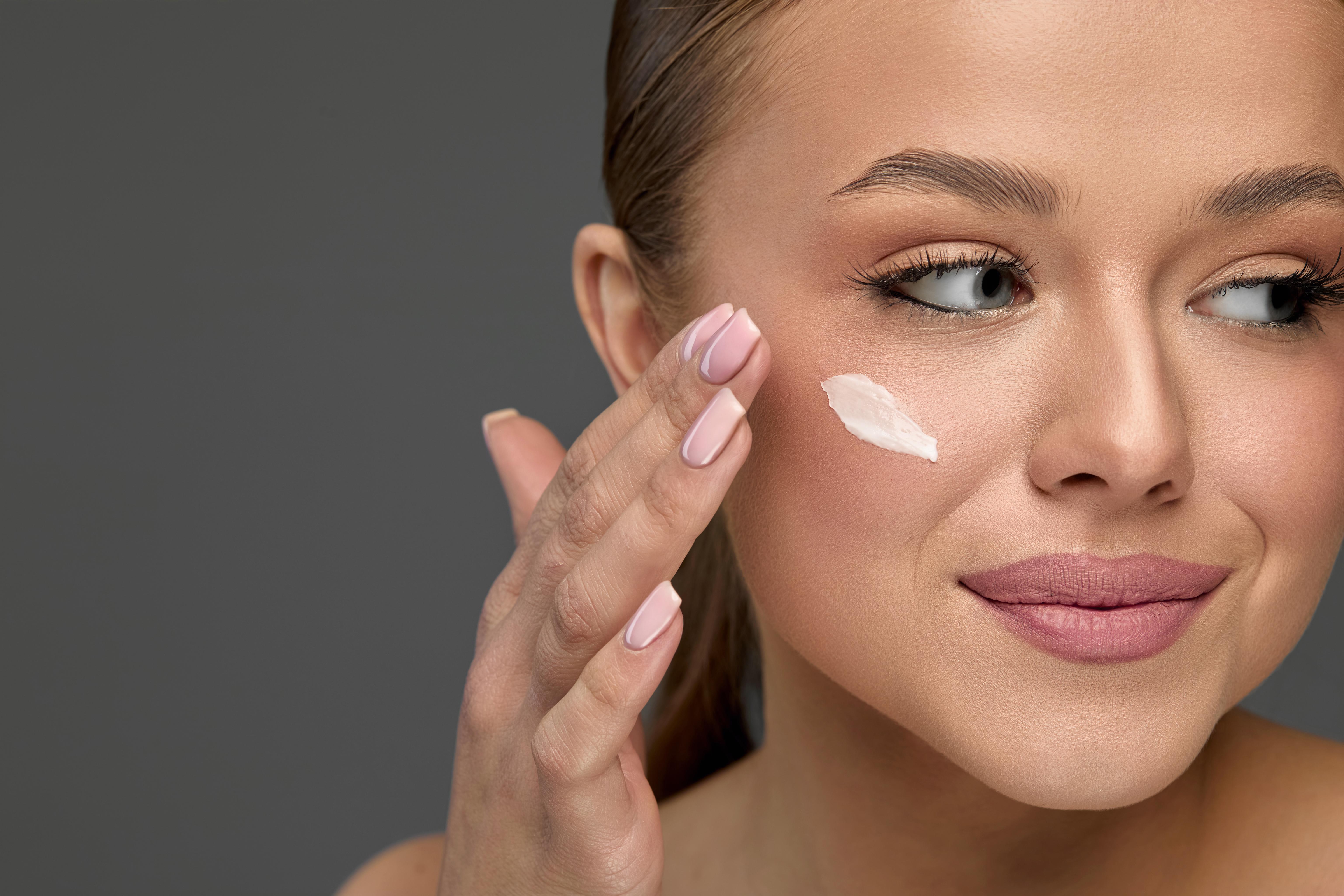
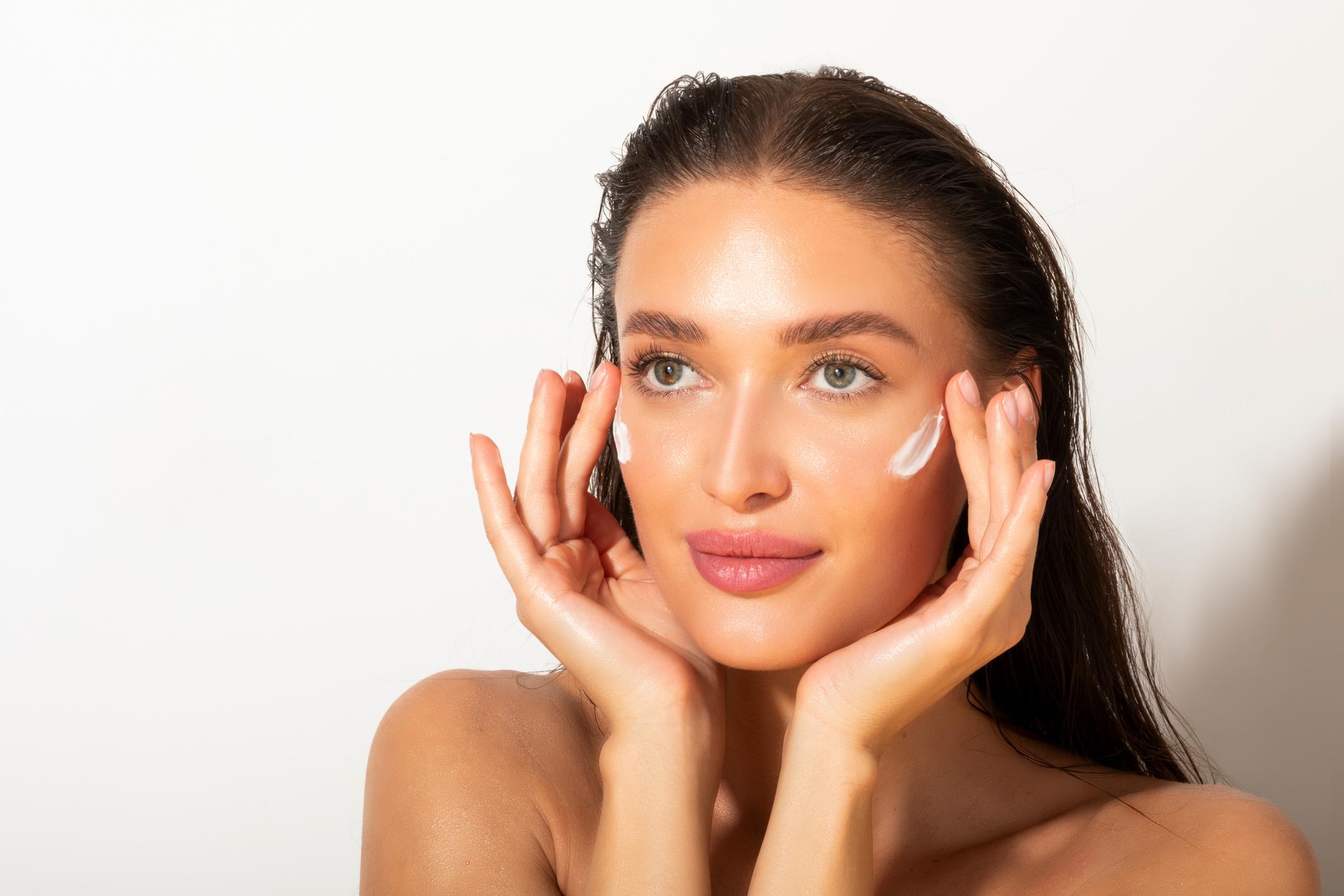
How To Build An Effective Anti-Aging Skincare Routine
Aug 05, 2023 Blog

How To Build An Effective Anti-Aging Skincare Routine

Maintaining youthful, healthy skin is not about using dozens of products, but about following a consistent and well-balanced skincare routine. An effective anti-aging routine focuses on protecting the skin, supporting collagen production, and maintaining hydration. With the right ingredients and daily habits, you can help reduce the appearance of fine lines, wrinkles, and dullness while keeping your skin looking radiant. 1. Start With a Gentle Cleanser Cleansing is the first and most important step in any skincare routine. A gentle cleanser removes dirt, oil, makeup, and environmental impurities without damaging the skin’s natural barrier. Look for cleansers that contain hydrating and soothing ingredients such as glycerin, aloe vera, or hyaluronic acid. Avoid harsh cleansers that can strip the skin and cause dryness. 2. Use an Antioxidant Serum Antioxidants help protect the skin from environmental damage caused by pollution and UV exposure. One of the most popular ingredients in anti-aging skincare is Vitamin C, which helps brighten the skin and support collagen production. Benefits of antioxidant serums include: Brighter and more even skin tone Protection against free radical damage Improved skin radiance 3. Incorporate Retinol or Retinoids Retinol is widely considered one of the most effective ingredients for anti-aging. It works by encouraging skin cell turnover and stimulating collagen production. Regular use of retinol may help: Reduce fine lines and wrinkles Improve skin texture Minimise the appearance of pores If you are new to retinol, start slowly and apply it a few times per week in the evening to allow the skin to adjust. 4. Keep the Skin Well Hydrated Hydration is essential for maintaining smooth, healthy-looking skin. A good moisturizer helps lock in moisture and strengthens the skin barrier. Look for moisturizers that contain ingredients such as: Hyaluronic acid for hydration Ceramides for barrier repair Peptides for skin support Hydrated skin appears plumper, smoother, and more youthful. 5. Never Skip Sunscreen Daily sun protection is the most important step in preventing premature aging. UV exposure is one of the leading causes of wrinkles, pigmentation, and loss of skin elasticity. Apply a broad-spectrum sunscreen with SPF 30 or higher every day, even during cloudy weather. Benefits of sunscreen include: Preventing premature wrinkles Protecting against sun damage Maintaining an even skin tone Example Daily Anti-Aging Routine Morning Routine Gentle cleanser Antioxidant serum (Vitamin C) Hydrating moisturizer Sunscreen (SPF 30 or higher) Evening Routine Cleanser Retinol or treatment serum Nourishing moisturizer Final Thoughts An effective anti-aging skincare routine does not need to be complicated. By focusing on cleansing, protection, hydration, and collagen-supporting ingredients, you can help keep your skin looking healthy and youthful over time. Consistency is key, and small daily habits can make a significant difference in the long-term appearance of your skin. ✨

Read article
Natural Remedies For Eczema And Psoriasis
Jul 20, 2023 Blog

Natural Remedies For Eczema And Psoriasis

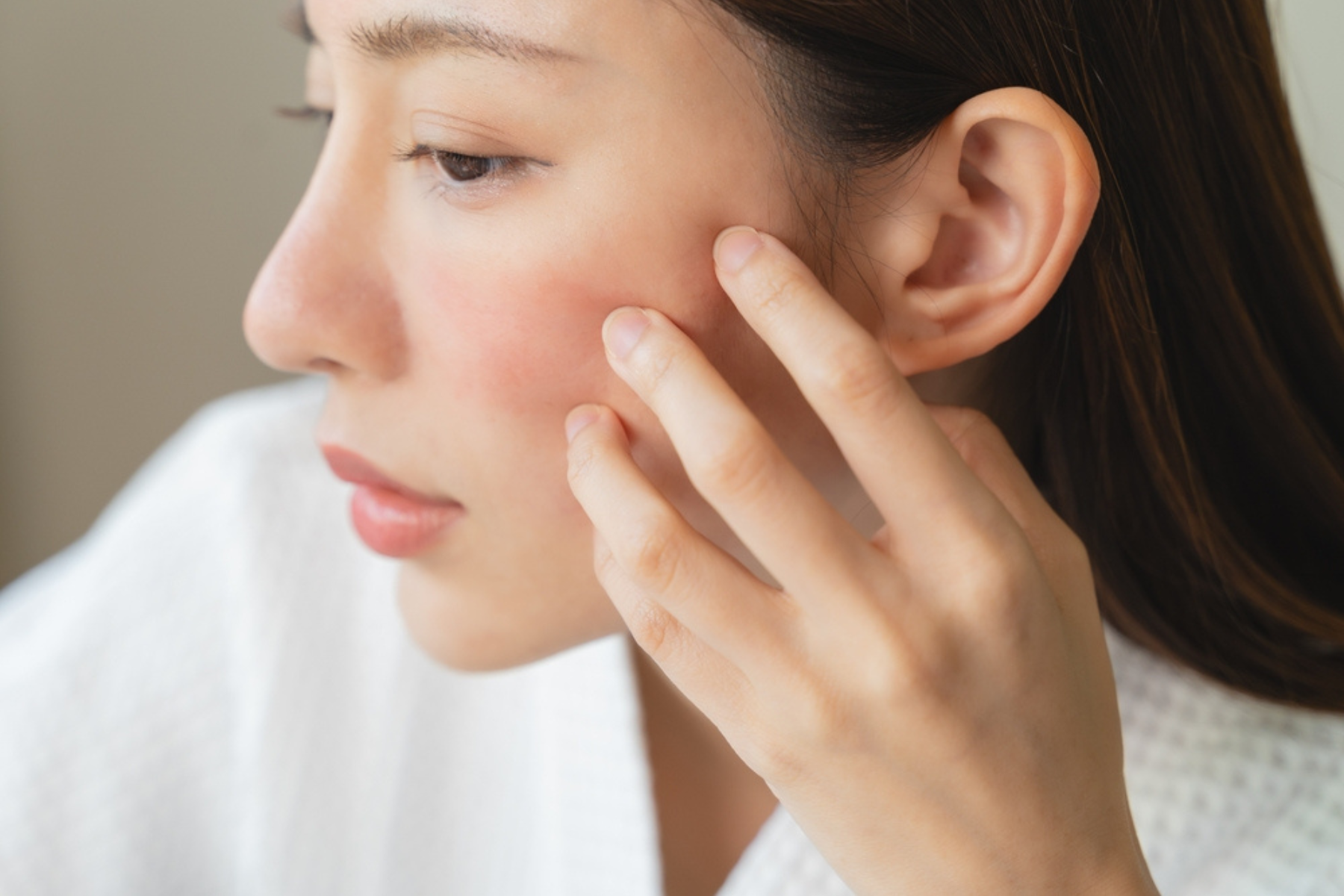
Eczema and psoriasis are common skin conditions that cause redness, itching, dryness, and inflammation. While medical treatments are often necessary for severe cases, many people find relief using natural remedies that help soothe irritated skin and support the skin’s natural barrier. Natural ingredients can calm inflammation, hydrate the skin, and reduce discomfort without harsh chemicals. 1. Aloe Vera Aloe vera is well known for its soothing and anti-inflammatory properties. It helps cool irritated skin, reduce redness, and provide gentle hydration. Applying pure aloe vera gel directly to affected areas can help calm flare-ups and promote healing. 2. Colloidal Oatmeal Oatmeal has been used for centuries to treat dry and itchy skin. Colloidal oatmeal helps reduce itching, irritation, and inflammation, making it a popular remedy for eczema and psoriasis. Oatmeal baths or creams containing oatmeal can help soothe the skin and restore moisture. 3. Coconut Oil Coconut oil is a natural moisturizer rich in fatty acids that help strengthen the skin barrier. It helps lock in moisture, reduce dryness, and protect the skin from irritation. Applying a small amount of organic coconut oil to dry patches can help soften and nourish the skin. 4. Honey Raw honey has natural antibacterial and anti-inflammatory properties. It can help calm irritated skin and support healing. Applying a thin layer of honey to affected areas may help reduce redness and soothe sensitive skin. 5. Chamomile Chamomile is known for its calming effects on both the skin and body. Chamomile creams or compresses may help reduce inflammation and relieve itching, making it beneficial for sensitive or irritated skin. 6. Gentle Skincare Routine In addition to natural remedies, maintaining a gentle skincare routine is essential. Use fragrance-free cleansers and moisturisers, avoid hot water, and keep the skin hydrated throughout the day. Wearing soft, breathable fabrics and reducing stress can also help minimise flare-ups. Final Thoughts Natural remedies can provide relief for mild eczema and psoriasis symptoms by soothing irritation and supporting the skin’s natural barrier. However, persistent or severe symptoms should always be evaluated by a healthcare professional or dermatologist. Combining professional care with gentle, natural skincare can help maintain healthier and more comfortable skin.

Read article
The Ultimate Guide To Chemical Peels
Jun 12, 2023 Blog

The Ultimate Guide To Chemical Peels

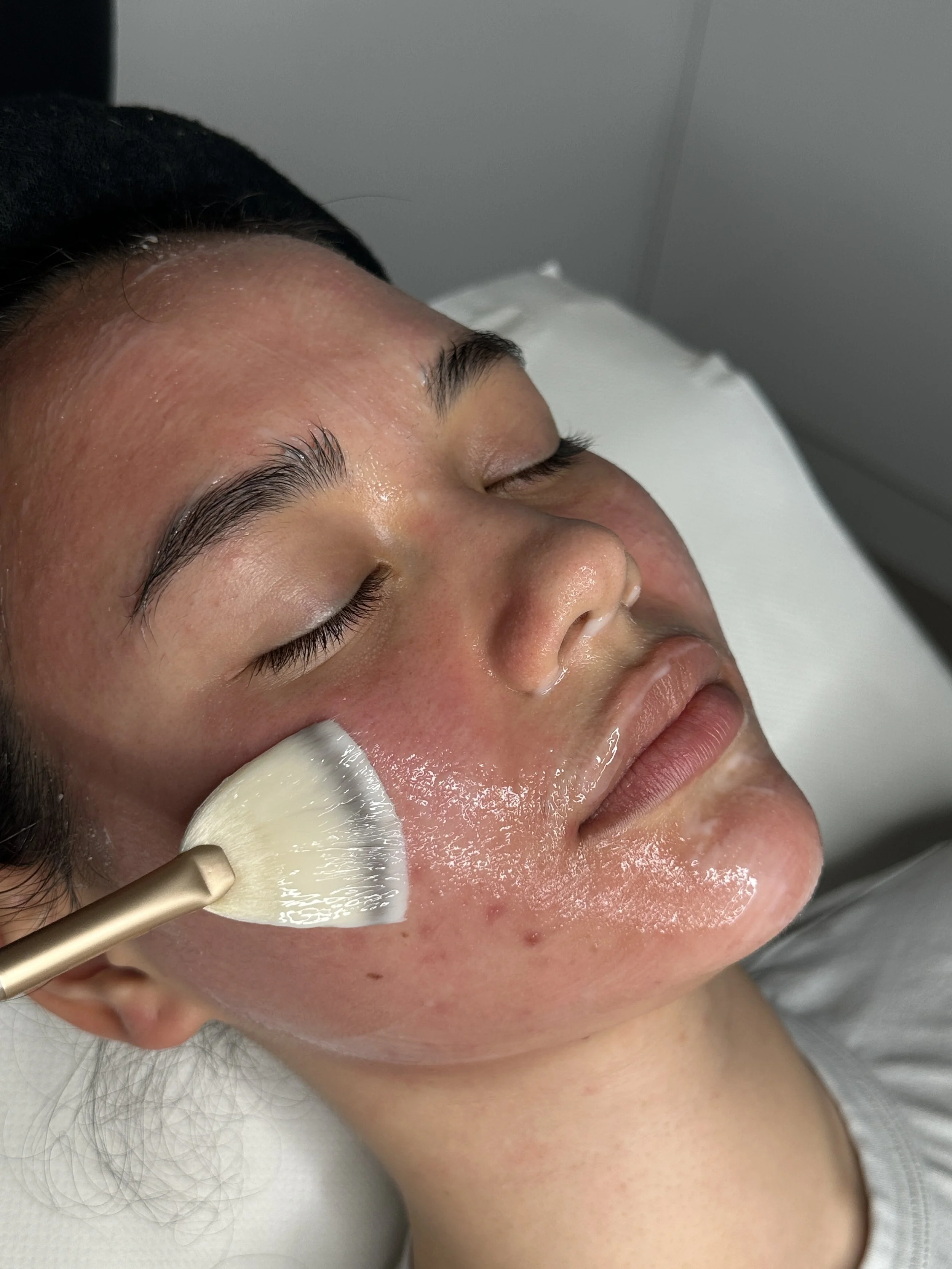
A chemical peel is a cosmetic treatment in which a solution containing active ingredients such as alpha hydroxy acids (AHAs), beta hydroxy acids (BHAs), or trichloroacetic acid (TCA) is applied to the skin. These ingredients exfoliate the outer layer of the skin, encouraging new, healthy skin cells to develop. The treatment is commonly performed on the face, neck, and hands, helping to rejuvenate the skin and improve various skin concerns. Types of Chemical Peels 1. Superficial (Light) Peel Light chemical peels use mild acids such as glycolic acid or lactic acid to gently exfoliate the outermost layer of the skin. These peels are ideal for improving mild skin concerns like dryness, dullness, and uneven skin tone. Recovery time is minimal, making them suitable for regular maintenance treatments. 2. Medium Peel Medium-depth peels often contain trichloroacetic acid (TCA) and penetrate deeper into the skin. They are commonly used to treat pigmentation, acne scars, and moderate wrinkles. Some peeling and redness may occur for several days after treatment. 3. Deep Peel Deep chemical peels target the deeper layers of the skin and are used for more advanced skin concerns such as deep wrinkles, severe sun damage, or significant pigmentation. These treatments require longer recovery time and should always be performed by experienced professionals. Benefits of Chemical Peels Chemical peels offer several skin benefits, including: Improving skin texture and smoothness Reducing acne and acne scars Minimising fine lines and wrinkles Brightening dull or uneven skin tone Reducing hyperpigmentation and sun damage Stimulating collagen production Who Can Benefit from Chemical Peels? Chemical peels can be beneficial for individuals experiencing: Acne or acne-prone skin Hyperpigmentation or dark spots Uneven skin tone Fine lines and early signs of ageing Dull or rough skin texture However, a professional skin consultation is recommended before treatment to determine the most suitable peel for your skin type. Aftercare and Recovery Proper aftercare is essential for achieving the best results from a chemical peel. After treatment, the skin may appear slightly red or sensitive for a few days. To support healing and protect the skin: Apply a gentle moisturiser regularly Use broad-spectrum SPF daily Avoid direct sun exposure Do not pick or peel the skin Follow the skincare advice provided by your skincare professional

Read article
Most Effective Creams For Dry And Sensitive Skin
Jun 04, 2023 Blog

Most Effective Creams For Dry And Sensitive Skin

Dry and sensitive skin requires extra care and hydration to maintain a healthy skin barrier. When the skin lacks moisture, it can feel tight, flaky, irritated, and uncomfortable. Using the right moisturising cream is essential to soothe the skin, restore hydration, and protect it from environmental damage. The most effective creams for dry and sensitive skin usually contain gentle, nourishing ingredients such as ceramides, hyaluronic acid, glycerin, and natural oils that help lock in moisture and strengthen the skin barrier. 1. Ceramide-Rich Moisturisers Ceramides are natural lipids found in the skin that help maintain the protective barrier. When skin becomes dry or sensitive, ceramide levels may decrease, leading to irritation and dehydration. Creams containing ceramides help repair the skin barrier and prevent moisture loss. These moisturisers are ideal for people who experience persistent dryness or sensitivity. 2. Hyaluronic Acid Hydrating Creams Hyaluronic acid is a powerful ingredient that attracts and retains water in the skin. It helps keep the skin hydrated, plump, and smooth without feeling heavy or greasy. Creams with hyaluronic acid are especially beneficial for dehydrated and sensitive skin because they provide deep hydration while remaining gentle. 3. Oat-Based Soothing Creams Colloidal oatmeal is known for its calming and anti-inflammatory properties. It helps soothe irritated skin, reduce redness, and relieve itching. Oat-based creams are often recommended for sensitive skin conditions because they provide hydration while calming discomfort. 4. Shea Butter and Natural Oil Creams Shea butter and natural oils such as jojoba or almond oil help nourish and soften dry skin. These ingredients create a protective layer that locks in moisture and prevents the skin from becoming dry again. They are particularly effective during colder months when the skin tends to lose moisture more easily. 5. Fragrance-Free and Hypoallergenic Formulas For sensitive skin, it is important to choose creams that are fragrance-free, alcohol-free, and hypoallergenic. These formulations reduce the risk of irritation and help maintain a balanced skin barrier. Gentle creams designed for sensitive skin provide hydration without causing redness or discomfort.

Read article
Cosmetics Creams For Acne-Prone And Oily Skin
Jun 04, 2023 Blog

Cosmetics Creams For Acne-Prone And Oily Skin

Acne-prone and oily skin requires skincare products that control excess oil, prevent clogged pores, and reduce inflammation without causing irritation. Choosing the right cosmetic cream can help maintain a balanced complexion, minimize breakouts, and keep the skin hydrated without making it greasy. 1. Oil-Free and Non-Comedogenic Creams For oily and acne-prone skin, it is important to choose oil-free and non-comedogenic moisturisers. These formulas are designed not to clog pores, which helps prevent blackheads and acne breakouts. Lightweight gel or gel-cream textures are especially beneficial because they hydrate the skin while remaining breathable and fast-absorbing. 2. Salicylic Acid Creams Salicylic acid is one of the most effective ingredients for acne-prone skin. It is a beta-hydroxy acid (BHA) that penetrates deep into pores to remove excess oil, dead skin cells, and impurities that can cause breakouts. It also helps refine pores and improve skin texture. 3. Niacinamide-Based Moisturisers Niacinamide (vitamin B3) is widely used in cosmetic creams for oily skin because it helps regulate sebum production, reduce redness, and improve skin tone. It also supports the skin barrier and helps minimize the appearance of enlarged pores. 4. Benzoyl Peroxide Treatment Creams Benzoyl peroxide is commonly used in acne treatment creams because it works by reducing acne-causing bacteria and helping unclog pores. It is particularly effective for inflammatory acne and helps decrease redness and swelling. 5. Lightweight Hydrating Creams Even oily skin needs hydration. Using a lightweight moisturiser helps regulate oil production and prevents the skin from producing excess sebum to compensate for dehydration. Ingredients like glycerin, ceramides, and hyaluronic acid provide hydration without clogging pores. Final Thoughts The best cosmetic creams for acne-prone and oily skin combine oil control, gentle exfoliation, and hydration. Look for products with active ingredients such as salicylic acid, niacinamide, benzoyl peroxide, and hyaluronic acid, and avoid heavy oils or comedogenic ingredients that may worsen breakouts. With the right skincare routine, it is possible to maintain clear, balanced, and healthy-looking skin.

Read article